
EP199 helped turn around a Streptococcus challenge in weaned piglets
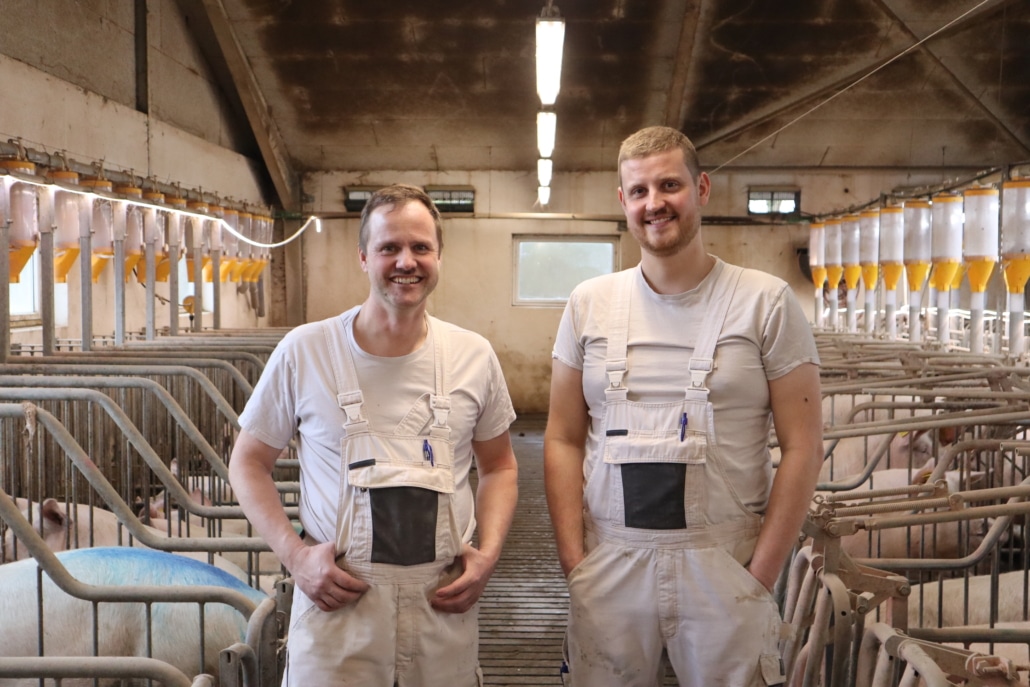
Spring 2025 was a difficult period for Henning Jakobsen’s pig farm near Haderslev, Denmark. Streptococcus infections drove mortality up and growth rates down among the weaned piglets. Today, farm manager Henrik L. Juhl reports lower mortality, faster treatment response, and a much easier day-to-day operation.
It started with meningitis. In the spring of 2025, the weaned piglets on the otherwise well-managed farm began showing the classic signs of streptococcal infection, and the production figures quickly reflected the problem. Mortality increased from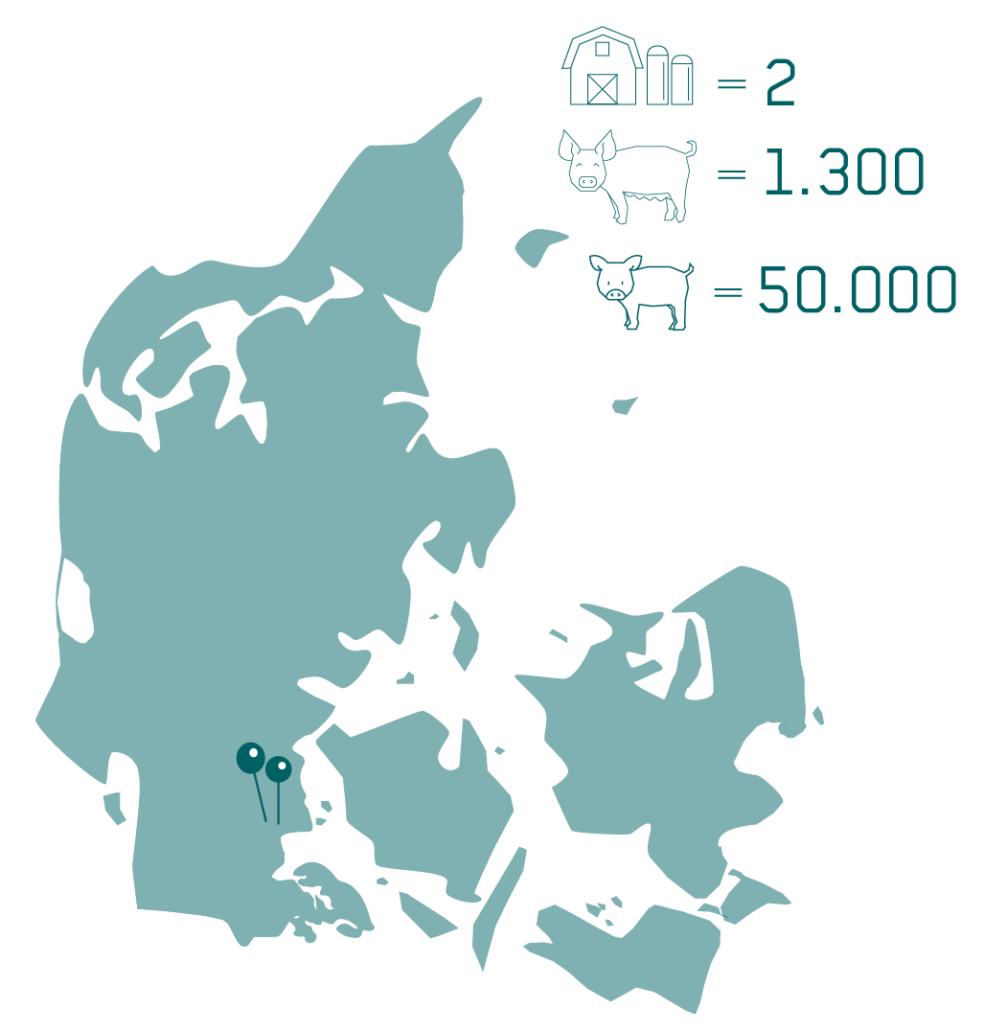 just below 1.9% to 2.5%, while average daily gain dropped from 503 g to 363 g during March and April 2025. It was clear that action was needed.
The herd veterinarian, Kristian Havn from Porcus, contacted European Protein, and together they decided to evaluate EP199—a fermented protein feed ingredient for weaned piglets based on rapeseed meal and seaweed—as part of a broader management strategy.
The trial was conducted as part of the SMARTTANG project, supported by the Green Development and Demonstration Programme (GUDP) under the Danish Ministry of Food, Agriculture and Fisheries.
Leaky gut as the gateway
Kristian Havn’s professional assessment was based on a clear hypothesis: a compromised intestinal barrier—commonly referred to as leaky gut—is, according to both scientific research and practical experience, one of the most common pathways through which streptococcal infections develop in weaned piglets. Weaning stress and dietary changes are well-known trigger factors.
EP199 supports gut health through several mechanisms in both piglets and sows. Fermented proteins promote the development of longer intestinal villi, increasing the absorptive surface area and improving nutrient uptake. Stronger tight junctions between intestinal cells reduce the risk of bacteria crossing the intestinal lining. At the same time, a more diverse and balanced gut microbiota with beneficial bacteria leaves less room for undesirable bacteria to proliferate.
EP199 is a feed supplement—not a veterinary medicinal product—and is not intended to prevent, alleviate, treat, or cure disease. However, supporting gut health helps create a stronger physiological foundation, and this quickly had a noticeable impact on the herd.
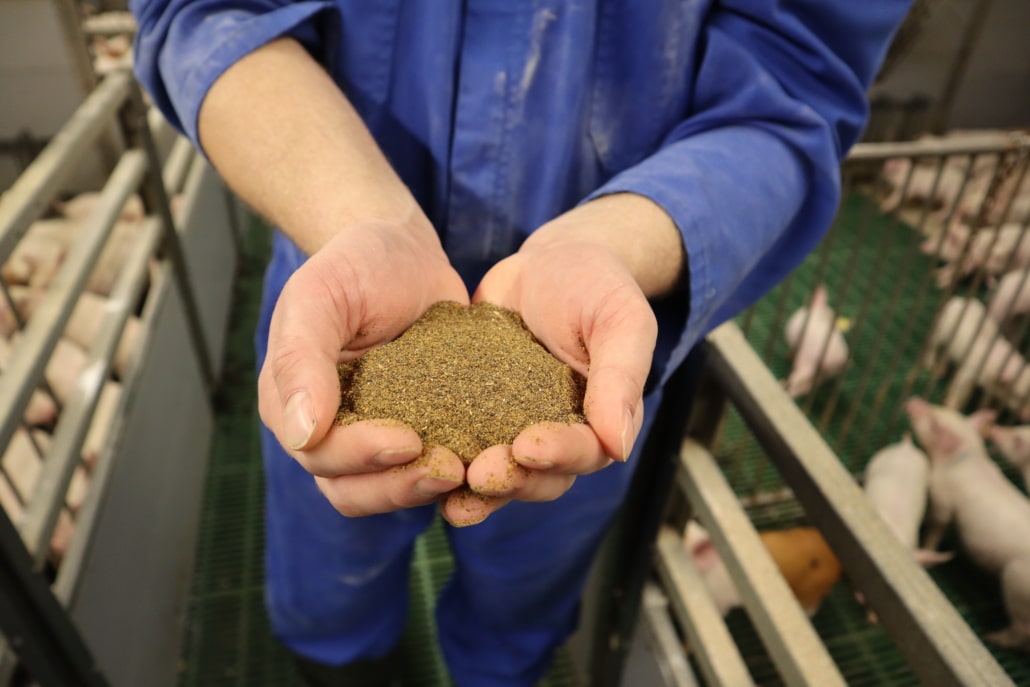
Image caption: EP199 is a fermented rapeseed protein with seaweed that supports a healthy gut microbiota in weaned piglets.
A turnaround within weeks
Only a few weeks after EP199 was introduced into the piglets’ feed, the clinical picture began to change. The number of piglets showing meningitis-like symptoms fell from approximately 25–27 animals per day to just 5–7 per week. Mortality among the piglets dropped by 38% shortly after implementation.
From May 2025 through February 2026, average daily gain stabilised at 525 g, exceeding the herd’s performance before the streptococcal outbreak. Mortality fell to 1.16%, less than half the level recorded at the peak of the outbreak.
The inclusion rate was 8% EP199 in the first two feed formulations. Overall, the initiative generated an additional € 0,34 in contribution margin per piglet.
Why did the piglets respond better to treatment?
One of the most surprising observations on the farm was not only that fewer piglets became ill, but that those requiring treatment responded much more effectively to medication.
“We’re seeing fewer treatments, and the treatments are easier. The pigs respond much better,” says Henrik L. Juhl.
“A piglet showing meningitis-like symptoms that receives medication in the morning can already be back on its feet and doing well by the afternoon.”
It is important to understand the underlying mechanism: EP199 does not treat disease. Medical treatment is provided by the veterinarian, and the veterinarian remains responsible for treating the infection.
EP199 supports a healthy, well-balanced gut microbiota. A piglet in better physiological condition is better equipped to respond to the treatment prescribed by the veterinarian. These are two complementary approaches that work at different levels.
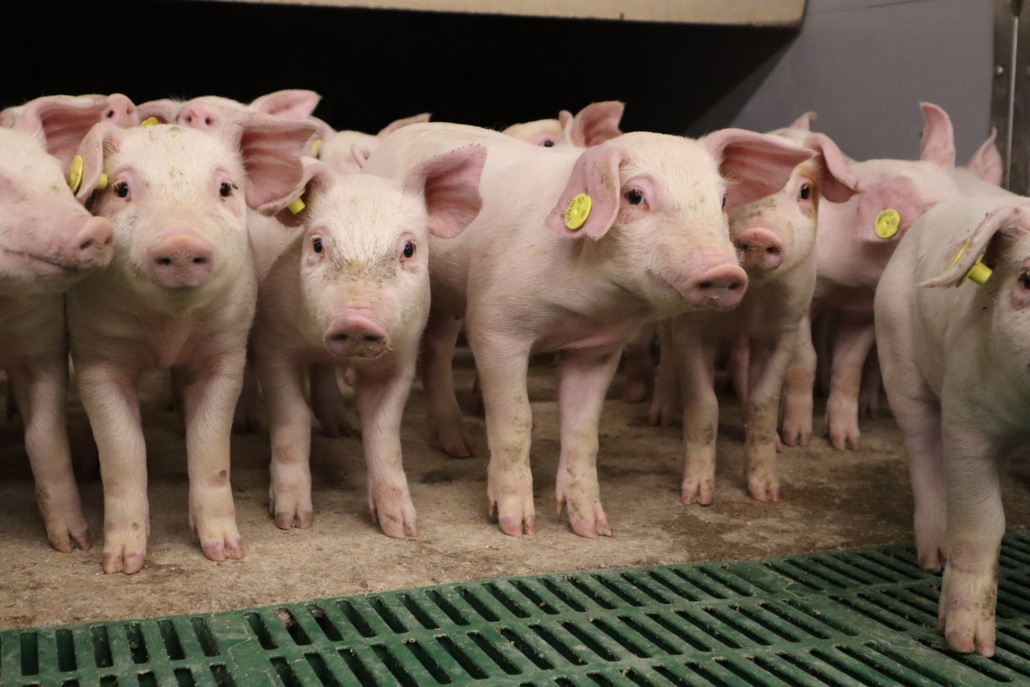
Image caption: Today, the piglets from Østergård are more robust and highly sought after by German buyers following feeding with EP199.
An easier working day
For Henrik L. Juhl and his colleagues, the benefits are not only reflected in the production data—they are evident every morning when they enter the barn.
“The pigs are simply much easier to manage. It makes everyday work easier and less demanding. And it’s rewarding to come to work and see that what you’re doing actually makes a difference.”
The improved robustness has also been noticed by customers. Buyers actively request piglets from the farm, and, according to Henrik, the only complaint he receives is that they cannot produce enough.
The economics add up
The overall improvement in piglet performance is also reflected in the financial results. Lower mortality, improved feed efficiency, and higher daily weight gain together more than offset the additional feed cost—a key factor in deciding whether to continue using the supplement.
“I would definitely recommend EP199 for weaned piglets. We’ve seen a really positive effect here,” says Henrik.
EP199 for Weaned Piglets
EP199 is a fermented protein ingredient for weaned piglets from European Protein, produced from fermented rapeseed meal and seaweed. The product supports a balanced and diverse gut microbiota and promotes beneficial bacteria.
Recommended inclusion rate: 8% in the first two feed formulations.
Important notice: EP199 is not a veterinary medicinal product and is not intended to prevent, alleviate, treat, or cure diseases, disease symptoms, or pain in animals. All medical treatment of disease must be carried out by a licensed veterinarian.
Would You Like to Learn More About EP199?
Sign up below or contact us directly to discuss how EP199 could benefit your herd.
Pia Sørensen
Feed Advisor
📞 +45 25 34 04 04

